
How to Know When It’s Time to Replace Your Roof
Roof Maintenance Tips for Commercial Buildings
Choosing between a flat roof and a sloped roof is one of the most important decisions property owners make during construction or replacement. Each option has its own advantages, costs, and maintenance needs. The right choice depends on your building type, budget, climate, and long-term plans.
Understanding the differences can help you make a practical, informed decision.
Understanding Flat Roofs
Flat roofs are commonly used on commercial buildings, modern homes, and multifamily properties. While they appear completely level, they are built with a slight pitch to allow for drainage.
Advantages of Flat Roofs
Flat roofs are often more affordable to install because they use fewer materials and require less structural framing. They also provide usable space. Property owners sometimes install HVAC systems, solar panels, or even rooftop patios on flat surfaces.
Maintenance access is generally easier as well. Technicians can move around more safely compared to steep slopes.
Considerations for Flat Roofs
Drainage is the most important factor. If water does not flow properly toward drains or scuppers, it can pool and lead to leaks over time. Regular inspections are important to catch small issues before they grow.
Flat roofs also rely heavily on the quality of installation. Membrane systems such as TPO, PVC, or modified bitumen must be installed correctly to perform well in the long term.
Understanding Sloped Roofs
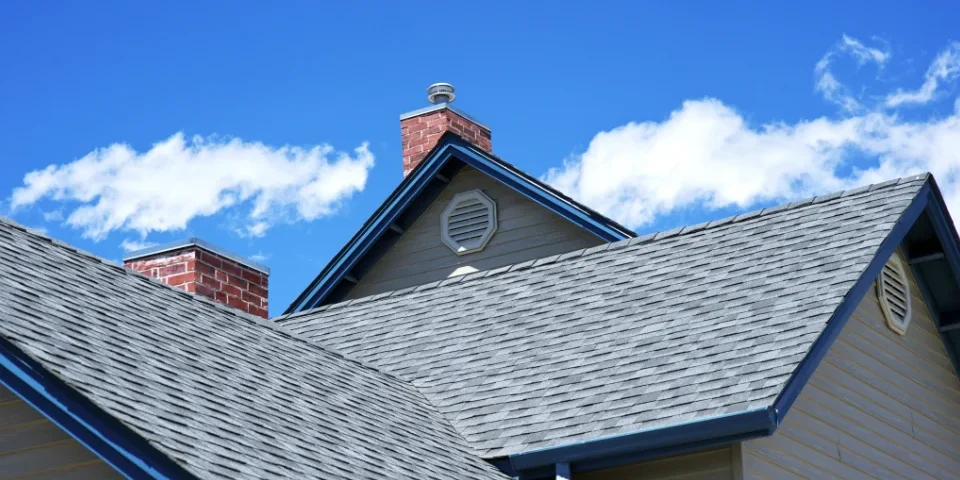
Sloped roofs, also called pitched roofs, are the traditional choice for many residential properties. Their angled design naturally sheds water, debris, and, in some climates, snow.
Advantages of Sloped Roofs
Because gravity helps move water off the surface, sloped roofs typically experience fewer drainage issues. They are also compatible with a wide range of materials, including asphalt shingles, tile, metal, and slate.
Sloped designs often offer longer life expectancy depending on the material used. They can also enhance curb appeal and increase resale value.
Considerations for Sloped Roofs
Installation costs can be higher due to additional framing and safety requirements. Repairs may also take more time because of the pitch and access challenges.
For some commercial properties, a sloped roof may not be practical due to design or space limitations.
Climate Matters
Climate plays a major role in deciding between flat and sloped systems. In regions with heavy rainfall, proper drainage is critical. In areas with intense sun and heat, material selection becomes especially important.
Both Los Angeles and Phoenix experience strong sun exposure and seasonal weather patterns that require durable, heat-resistant materials. A roofing system must be selected not just for appearance, but for performance under local conditions.
Maintenance and Long-Term Costs
Every roof requires maintenance. Flat roofs may need more frequent inspections to ensure drainage systems are working properly. Sloped roofs may require occasional shingle replacement or tile repairs.
The true cost of a roof is measured over time. Installation quality, ventilation, insulation, and regular maintenance all impact how long the system will last.
Working with an experienced roofing contractor helps ensure that whichever style you choose is installed correctly and built to perform.
Choosing between a flat roof and a sloped roof comes down to your property’s design, local climate, and long-term goals. If you own property in Los Angeles or Phoenix, AZ, Rain Man Roofing brings the expertise needed to guide that decision. With experience in both residential and commercial systems, their team focuses on proper installation, durable materials, and reliable service. When it’s time to repair or replace your roof, Rain Man Roofing is a trusted partner ready to protect your investment.