Choosing the Right Roofing Materials for Your Climate
How to Spot and Fix Common Roof Leaks Early
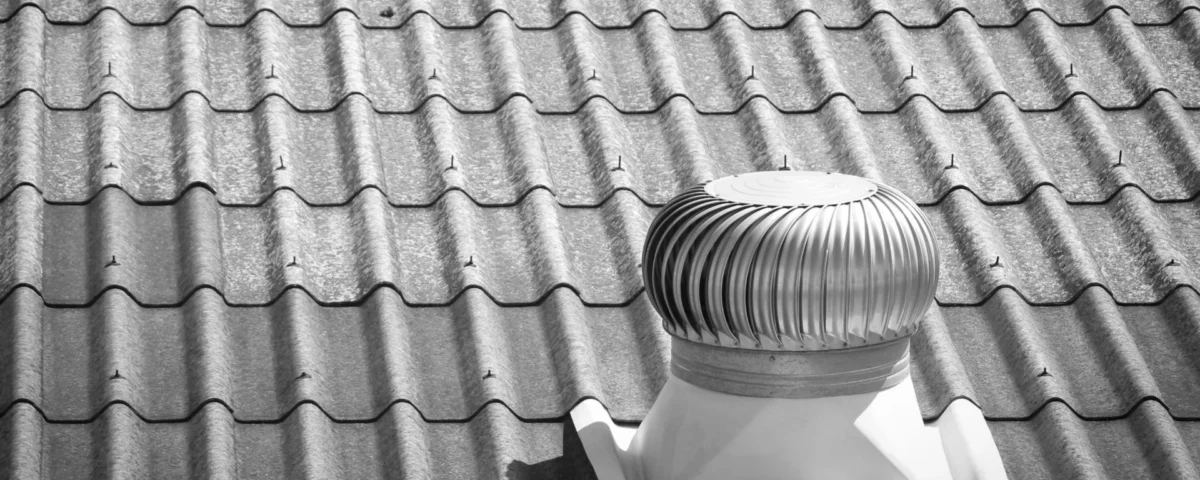
When homeowners and building owners think about energy efficiency, they often focus on insulation, windows, or HVAC systems. While these components are important, roof ventilation also plays a major role in regulating indoor temperatures and protecting the roofing system.
A properly ventilated roof allows air to circulate through the attic or roof assembly, helping remove excess heat and moisture throughout the year. Without adequate ventilation, buildings can experience higher energy costs, reduced comfort, and premature roof deterioration.
How Roof Ventilation Works
A roof ventilation system is designed to create continuous airflow through the attic or roof structure. Fresh air enters through intake vents, typically located near the roof’s edge, while warm, moist air exits through exhaust vents near the roof peak.
This constant movement of air helps prevent heat from becoming trapped beneath the roof during the summer while also reducing moisture buildup during cooler months.
Proper ventilation works together with insulation to maintain a more consistent indoor temperature and improve overall building performance.
Lower Energy Costs During Hot Weather
During the summer, attic temperatures can rise well above the outdoor temperature if hot air has nowhere to escape. As heat builds beneath the roof, it transfers into the living or occupied space below, forcing air conditioning systems to work harder.
A properly ventilated roof allows that heat to escape, helping reduce cooling demands and improving energy efficiency. For many property owners, better ventilation can contribute to lower utility costs while creating a more comfortable indoor environment.
Moisture Control Is Just as Important
Ventilation isn’t only beneficial during hot weather. Moisture generated inside a home or commercial building naturally rises into the attic or roof assembly. Without proper airflow, that moisture can become trapped.
Over time, excessive moisture can contribute to mold growth, wood rot, insulation damage, and deterioration of roofing materials. Managing moisture helps protect the structural components of the building while extending the life of the roof.
Regular roof inspections can identify ventilation issues before they lead to more significant repairs.
Signs Your Roof May Have Ventilation Problems
Poor roof ventilation often develops gradually. Some common warning signs include:
- Higher-than-normal energy bills
- Uneven temperatures throughout the building
- Excessive heat in the attic
- Moisture or condensation in the attic
- Mold or mildew growth
- Premature aging of roofing materials
If you notice any of these issues, a professional roof inspection can help determine whether ventilation improvements are needed.
Ventilation Supports Long-Term Roof Performance
A roof is a significant investment, and proper ventilation helps protect that investment. By reducing heat buildup and controlling moisture, ventilation can improve the performance of roofing materials and help delay costly repairs or premature roof replacement.
Whether your property has an asphalt shingle roof, tile roof, flat roof, or commercial roofing system, proper ventilation should be part of an overall roof maintenance strategy.
Partner with an Experienced Roofing Contractor
Roof ventilation is an important part of maintaining an efficient, long-lasting roofing system. Regular inspections and preventive maintenance can help identify ventilation concerns early, protecting both your roof and your building.
At Rain Man Roofing, we provide professional roof inspections, maintenance, repairs, and replacement services for residential and commercial properties throughout Arizona and California. Our experienced team can evaluate your roofing system and recommend solutions that improve performance, extend roof life, and help keep your property protected year-round.