Roof Maintenance Tips for Commercial Buildings
Commercial buildings face constant exposure to weather, temperature changes, and daily wear. Over time, moisture intrusion can lead to serious structural issues, interior damage, and costly repairs. That is why commercial waterproofing systems play a key role in protecting properties and maintaining long-term performance.
Water damage is one of the most common and expensive issues property owners face. Even small leaks can lead to mold growth, insulation damage, and weakened structural components. In larger buildings, these problems can spread quickly and disrupt operations.
A properly installed waterproofing system creates a barrier that keeps water out of vulnerable areas. This helps maintain the building’s integrity and reduces the risk of unexpected repairs.
Waterproofing systems protect roofing materials and structural components from moisture damage. By preventing water from seeping into the building, these systems help extend the lifespan of the roof and other critical areas.
Frequent repairs can add up quickly, especially when water damage goes unnoticed. Waterproofing helps minimize the need for ongoing maintenance by addressing potential issues before they develop into larger problems.
Moisture can affect insulation performance, leading to higher energy costs. A well-sealed building envelope helps maintain consistent indoor temperatures, reducing strain on HVAC systems and improving overall efficiency.
For commercial properties, interior damage can impact equipment, inventory, and tenant spaces. Waterproofing systems help prevent leaks that could disrupt business operations or lead to costly replacements.
These systems are applied as a coating that cures into a seamless, flexible barrier. They are often used on flat or low-slope roofs and can adapt to different surface shapes.
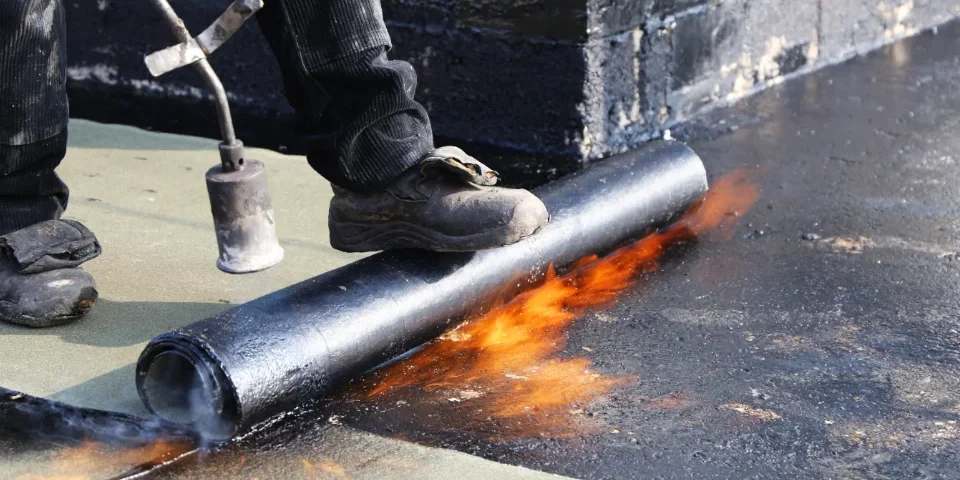
Sheet-based systems use pre-formed materials that are installed across the roof or surface. They provide consistent coverage and are known for their durability.
This method is commonly used for foundations and below-grade areas. It provides a rigid barrier that helps protect against water intrusion in high-moisture environments.
Older roofs are more prone to leaks and material breakdown. Waterproofing can add an extra layer of protection and help extend the life of the system.
Stains, mold, or peeling materials are signs that moisture may already be present. Addressing these issues early can prevent more extensive damage.
Many property owners choose waterproofing as part of a long-term maintenance strategy. This approach helps reduce risk and provides more predictable repair costs over time.
Every commercial building has different needs based on its structure, location, and usage. Factors such as roof type, climate, and existing conditions all play a role in determining the right system. Working with an experienced contractor helps identify the most effective solution for long-term protection.
Investing in a commercial waterproofing system is a smart way to protect your building, reduce long-term costs, and support daily operations. Rain Man Roofing provides reliable roofing and waterproofing services for commercial properties in Los Angeles and Phoenix. Their team understands the demands of these climates and delivers solutions built to last. Contact Rain Man Roofing to discuss your project and keep your property protected.